
Beyond Discipline:
The Sound Execution System Blog
DETECT: Catch activation before it catches you.
DIRECT: When urgency spikes, willpower collapses.
DEFUSE: Cut the wire between thought and action.
OBSERVE: See the storm without becoming it.
INTEGRATE: Learn from the trade, not the wound.
The Misinformation of Trading Psychology
You’ve heard it a thousand times: Follow your rules. Stick to the plan. Be more disciplined.
And you’ve tried. You’ve written the rules in your journal, posted them on your monitor, sworn to yourself after every blown trade that this time you’ll follow them. Then the market moves against you, the loss stings, and twenty minutes later you’re three positions deep in a revenge trade you swore you’d never take again.
Here’s the truth no one tells you: Discipline doesn’t fail because you lack it. Discipline fails because it’s the wrong tool for the problem.
When stress spikes, your prefrontal cortex goes offline. Your amygdala takes over. Urgency floods your system. The rule you wrote in calm conditions becomes inaccessible in the exact moment you need it most. This isn’t a character flaw. It’s neurobiology. And you can’t willpower your way out of a flooded nervous system.
This is why smart traders keep making the same mistakes. Not because they don’t know better. Because knowing lives in one brain state, and executing under pressure happens in another.
The solution isn’t more rules. It’s learning your nervous system to the depth you’ve learned charts.

EMDR for Traders: Healing Trading Traumas
Enhancing Trading Psychology Traditions Key Points: EMDR helps traders reprocess stressful memories to enhance performance. Integrating EMDR with Schema Therapy addresses both current and deep-seated issues. Improved emotional regulation leads to better...
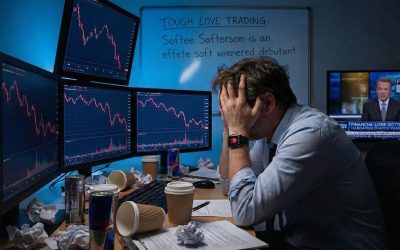
Biological Backfire: “Tough Love” Trading Psychology Is a Recipe for Ruin.
Retraining Your Nervous System When "Grinding Harder" Isn't the Answer Key Points: Learn why "tough love" advice creates a shame cycle that actually reinforces historical threat patterns and performance paralysis. Understand the biological divide between traders with...

Curb Your Enthusiasm: Trading Euphoria
Why Things Fall Apart in Trading Pt. 1. Key Points: Understanding trading euphoria and its impact on decision-making. Techniques to manage and mitigate the effects of euphoria. Strategies for maintaining a balanced and rational trading practice. Listen to Article...

Self-Compassion and Performance
Self-compassion is Self-Care, like Exercise is Self-Care Key Points: The importance of self-compassion in trading performance. Techniques to cultivate self-compassion among traders. The positive effects of self-compassion on resilience and decision-making. Listen to...

Becoming a Master Through Self-Efficacy
BUILDING confidence vs. cheering confidence Key Points: Self-Efficacy vs. Willpower: Mastery isn't about having more "discipline"; it's the specific belief that you can execute your process under market fire. The Incompetence Software: STRAY trades often stem from...

Mindfulness: The Silent Partner
Key Points: Mindfulness is not relaxation; it's real-time awareness that catches state shifts before they become STRAYs. The trader who notices his jaw tightening during a drawdown has a choice point. The trader who doesn't see is already in the cascade. Mindfulness...
Subscribe to The Beyond Discipline Blog
You already know what to do. The problem is doing it when it matters, when urgency overrides your plan, and your nervous system runs the trade. Weekly content on the gap between knowing and executing.
Sean Sawyer, MS
Psychotherapist | Trader
Sean has been a psychotherapist since 2003 and an active trader since 2018. Sean helps traders prevent tilt & repeating the same mistakes by rewiring the brain patterns that fail them under pressure.